
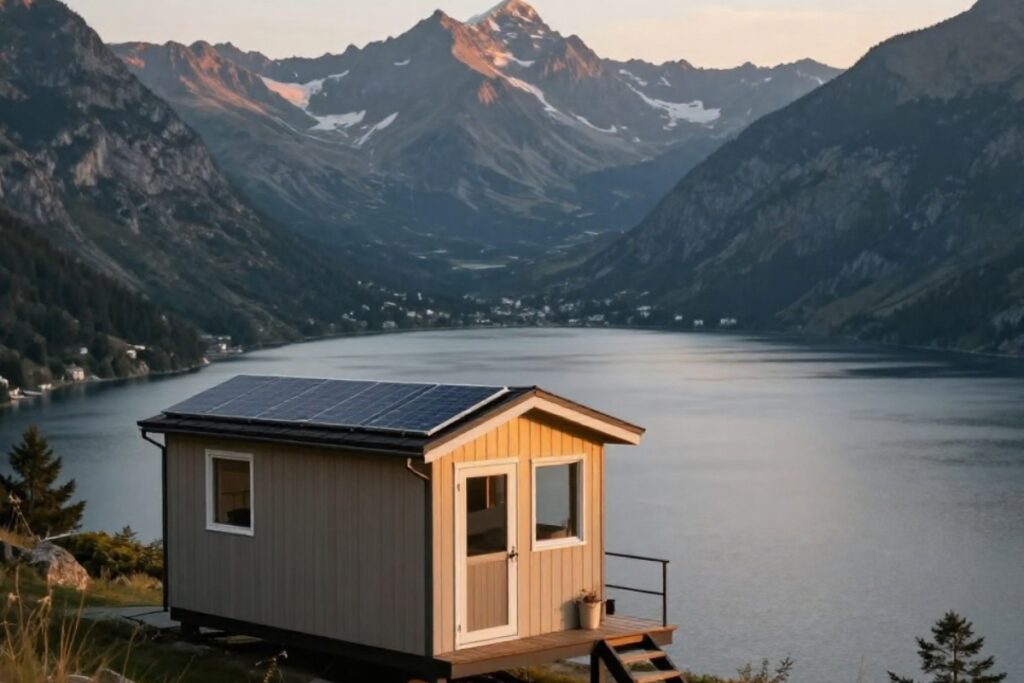
More homeowners in Colorado are searching for ways to live independently, sustainably, and with lower monthly costs. As interest in off-grid living continues to surge, tiny homes and ADUs have become ideal solutions for those wanting a smaller environmental footprint and greater control over their energy usage. Thanks to advancements in solar power, battery storage, and high-efficiency construction, going off-grid in 2026 is more attainable than ever.
Whether you’re planning a backyard ADU, a full-time tiny home, or a vacation getaway, here’s what you need to know about powering your home independently — and why Colorado is one of the best states in the country for off-grid living.
Colorado’s climate makes solar energy exceptionally effective. With nearly 300 days of sunshine per year, the state provides excellent conditions for solar panels to generate reliable, abundant power. Pair that with energy-efficient construction, and ADUs and tiny homes become perfectly suited for off-grid lifestyles.
Homeowners often choose off-grid setups to:
With the right design and technology, an ADU or tiny home can operate completely self-sufficiently — even during winter weather or grid interruptions.
Solar is the backbone of off-grid energy systems. Here’s how a typical setup works:
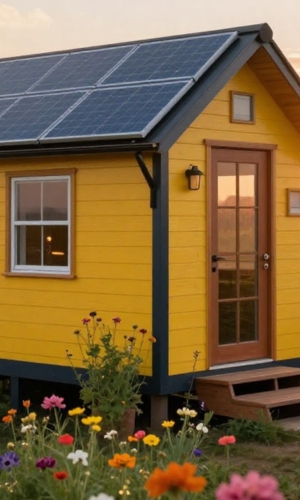
Mounted on the roof or nearby structure, panels capture sunlight and convert it into electricity. Urban ADU’s homes are engineered with solar-ready roofs optimized for maximum exposure.
A high-capacity battery system stores excess energy created during the day so it can be used at night or during cloudy periods. This is the key to true energy independence.
The inverter converts solar power into usable electricity for lights, appliances, heating, and cooling.
Off-grid living only works when the home is built with efficiency in mind. Spray foam insulation, airtight framing, composite windows, and efficient HVAC options reduce energy demand dramatically.
Urban ADU incorporates all these elements into their prefab designs, making off-grid living seamless and highly reliable.
The amount of solar required depends on your home size and energy usage. A typical off-grid tiny home or ADU in Colorado needs:
Urban ADU can estimate your energy requirements based on lifestyle, climate, and home orientation.
Off-grid systems are more affordable than ever. Here’s a general 2026 cost breakdown:
Off-Grid Component | Estimated Cost |
Solar Panels | $10,000 – $25,000 |
Battery Storage | $8,000 – $15,000 per battery |
Energy-Efficient Upgrades | Included in Urban ADU models |
Complete Off-Grid Package | $25,000 – $45,000 |
While initial costs are higher than grid-tied systems, long-term savings and independence quickly make up the difference.
You may be a great fit for off-grid living if you want:
With Colorado’s abundant sunlight and Urban ADU’s solar-ready prefab construction, homeowners can enjoy reliable off-grid living with confidence.
If you’re ready to experience solar-powered independence, Urban ADU offers energy-efficient, prefab tiny homes and ADUs designed for off-grid living in Colorado.
Explore models at our Models page or use our Visualize Your ADU tool to bring your vision to life.